

✈️ Everything airlines need to get started on contrail avoidance is now in one place
Early adopters have been quietly solving contrail avoidance for years. Now their experience is public - and free

Contrail warming is one of aviation’s largest climate problems, and one of the most addressable. Warming contrails form behind just 5% of flights but account for up to half of aviation’s total climate impact. EU non-CO₂ monitoring is already in force, and tighter regulation (potentially including contrails in the EU ETS) is expected to follow.
Most sustainability teams in aviation already know this. What has been harder to figure out is how to actually get started.
A small number of airlines, American Airlines, Amelia, TUIfly, Air France, and others, have been running contrail avoidance trials in the past few years. They’ve figured out how to build internal buy-in, integrate contrail data into dispatch workflows, set guardrails that keep costs manageable, and bring pilots along on something that feels counterintuitive at first: flying slightly less efficiently to reduce a much larger climate impact. Until now, almost none of that experience has been documented outside of scientific research papers.
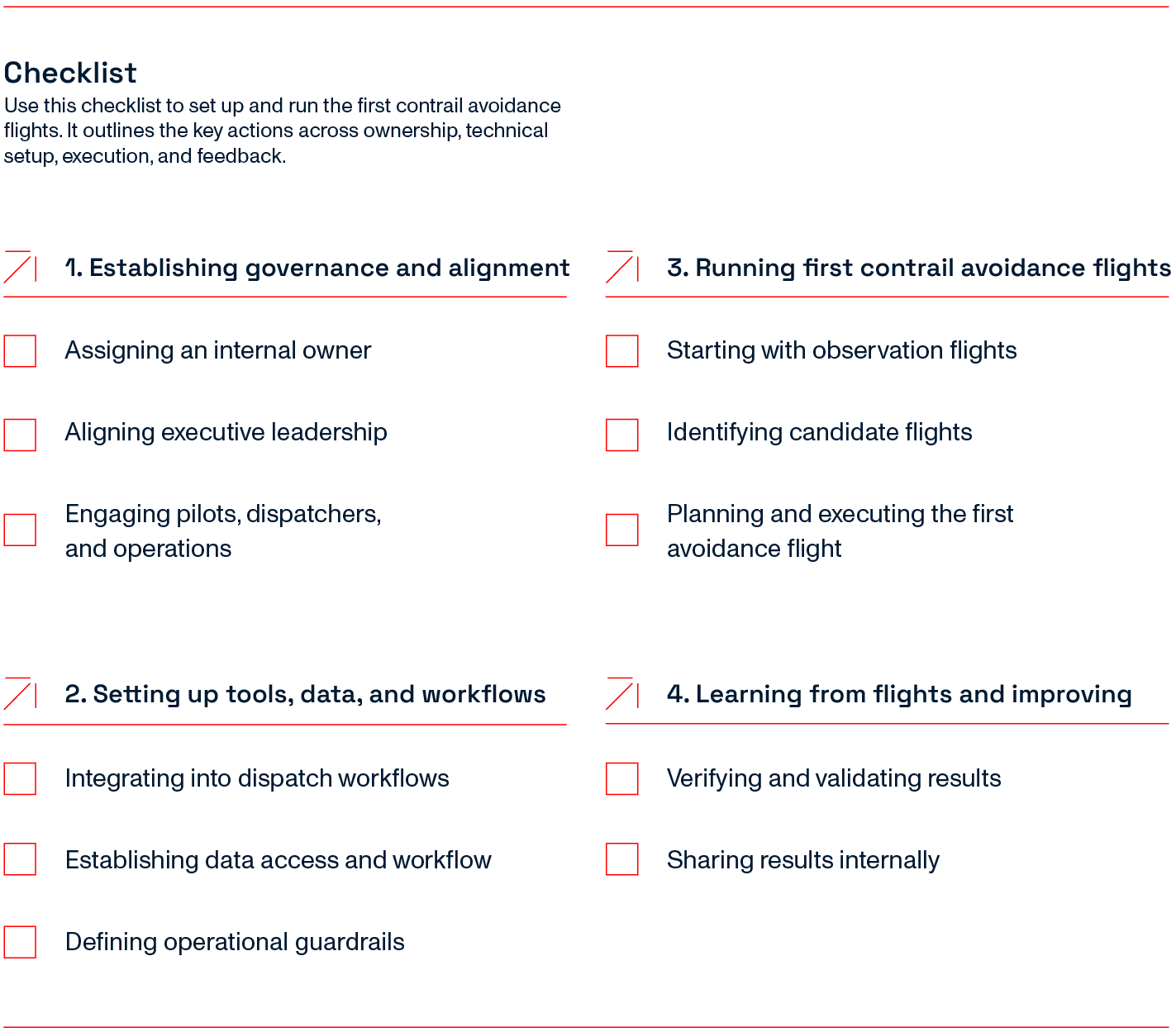
Contrail Avoidance in Practice: A Playbook for Airlines changes that. Published this month by Blue Lines with support from Contrails.org, it is the first comprehensive, practitioner-built guide to getting started, covering governance, tools, dispatch workflows, pilot engagement, cost management, and funding.
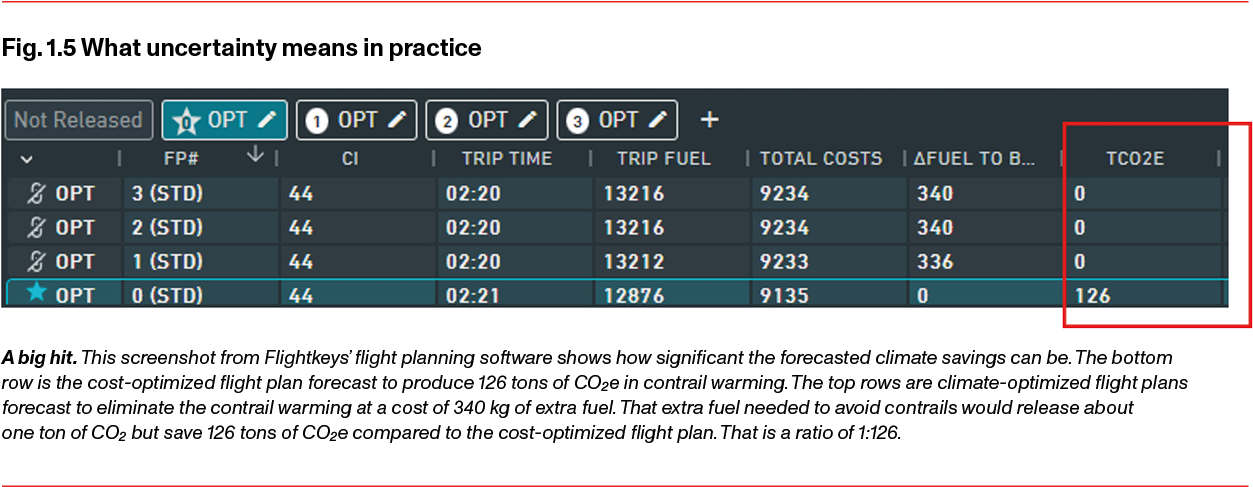
Getting started doesn’t require large-scale change. Airlines can begin by analyzing their existing flights, focusing on the very warming contrail flights (big hits!), and do that with a limited internal budget.
The playbook is free. If you work in aviation, pass this along to your sustainability team members.
DOWNLOAD THE FREE PLAYBOOK →
blue-lines.org/contrail-avoidance-in-practice-a-playbook-for-airlines
To new Blue Lines followers: Welcome.
In 2025, we added 33% more subscribers. It is always a pleasure to have more people interested in the progress of contrail avoidance – the most promising solution to lower aviation’s climate impact and potentially one of the fastest ways to reduce global warming overall.
Go to Blue Lines’ website to explore contrails in depth.
See you soon.
Joachim Majholm,
Blue Lines